The Suds Ledger: 31 Days of Cleaning Every Brush, Sponge and Pad — and What My Skin Actually Did
I am not a naturally tidy person. My makeup brushes have historically lived in a mug on the windowsill, gathering dust and the occasional cat hair. But with party season looming and a month of Christmas do's ahead, I decided to treat tool cleaning as an actual routine rather than a frantic rinse before a night out. For 31 days I washed every brush, sponge and reusable pad properly — and logged the time, water and product cost as I went. This is not a sponsored clean-beauty advert. It is a ledger.
The rules I set myself
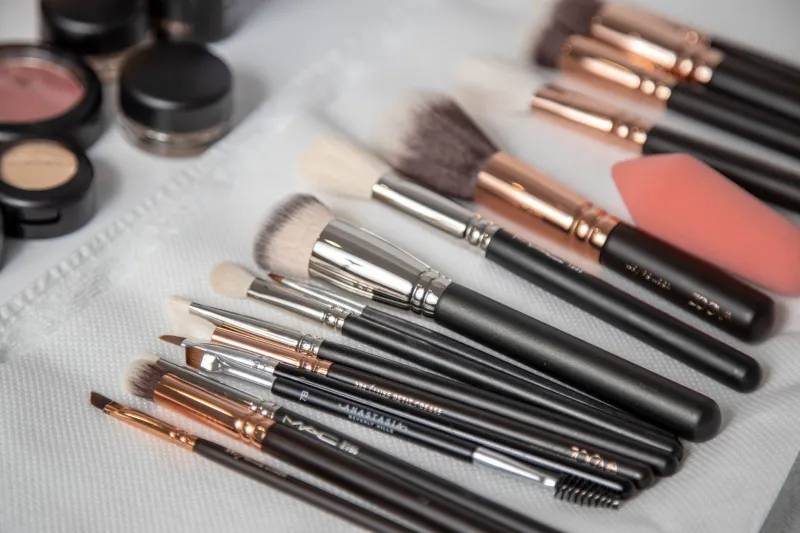
I had four makeup brushes in regular rotation (foundation, concealer, powder, blusher), two beauty sponges and three reusable cotton pads. The plan was simple: a deep clean every Sunday for brushes and sponges, a daily rinse for the sponge I used that day, and a wash after every use for the reusable pads. I timed each session on my phone and measured water with a kitchen jug, because I wanted to know whether “properly cleaning your brushes” was actually a reasonable ask or an influencer invention.
The high-street cleaners I put through their paces
I kept it cheap and easy to find. Over the month I tested Real Techniques Brush Cleansing Gel (about £7.99 from Boots or Superdrug), Johnson's Baby Shampoo (around £1.50), a bar of Simple soap (under £1), Garnier Micellar Water for spot-cleaning, and — against my better judgment — a squirt of Fairy washing-up liquid on one old brush.
The results were not dramatic, but they were clear. The Real Techniques gel cut through dried foundation fastest, especially on the foundation brush. Baby shampoo was the gentlest option for sponges and left bristles soft rather than crispy. The bar of Simple soap was the surprise winner for beauty sponges: wet the sponge, rub it over the bar, squeeze, rinse, repeat. It shifted more residue than any liquid I tried and cost pennies. Micellar water was fine for a quick wipe between deep washes but useless on set foundation. Washing-up liquid did remove makeup, but one old brush shed for a week afterwards. I would not use it again on anything I cared about.
The numbers
By week four I had the routine down to 14 minutes from start to drying rack. The first attempt took 25 minutes because I was being precious about it. Across the month I spent roughly 2 hours 10 minutes on deep cleans and sponge rinses, not counting the reusable pads going in with the normal laundry. Water use was about 2 litres per deep clean — 1.2 litres in a bowl for washing, plus a rinse — and around 500ml for each sponge rinse. Total water for the month: roughly 12 litres. Product cost was under £3 for the month, because a bottle of gel lasts ages and a bar of soap lasts even longer.
What happened to my skin
I want to be honest here: my skin did not become glass. I still got a spot before a friend's birthday dinner, and my nose still has visible pores. But by the end of week two, the little bumps under my jaw and along my hairline had calmed down. By week four, my foundation went on more smoothly, especially around my nose and chin, where it used to catch on dry patches and old makeup residue. I also noticed fewer random whiteheads after nights out, which I suspect was less about magic ingredients and more about not pressing old bacteria into my face with a dirty sponge.
The biggest change was not a glow-up. It was consistency. Cleaning my tools properly meant I stopped dreading the sight of my foundation brush and started noticing when it felt stiff or product-heavy. That sounds small, but it changed how often I actually did the job.
The tools that earned their keep — and the ones that didn't
The foundation brush and concealer brush were absolutely worth the weekly deep clean. They are the ones that sit closest to my skin and hold the most product. The powder brush could probably go a fortnight without anyone noticing, and the blusher brush was fine with a weekly swirl and rinse. The beauty sponges needed a daily rinse and a twice-weekly deep clean; anything more and they started to tear. The reusable pads were only worth it because I already do a dark wash twice a week. If you are not doing that, they become a separate chore.
What I would not bother with again: fancy brush-cleaning mats, expensive solid cleansers and any routine that asks you to wash every single brush daily. A bowl, a bar of soap, a dollop of gel and a clean towel are enough.
The party-season routine I am keeping
Every Sunday: 15 minutes, lukewarm water, a bowl, a dollop of gel for brushes and a bar of soap for sponges. Bristles pointed down under the tap, squeezed gently, reshaped and laid flat with the brush heads hanging over the edge of the sink. Sponges squeezed in the bowl rather than under running water, then left to air dry on a clean flannel. Reusable pads go in the next dark wash. No drying racks, no special detergents, no drama.
My skin is not perfect, and my windowsill is still a bit cluttered. But the suds ledger adds up to a cheap, boring habit that made my makeup sit better and my jawline calmer. For party season, that is a result I will take.