Polish, Cure, Repeat: What Seven Days of At-Home Gel Nails Did to My Hands

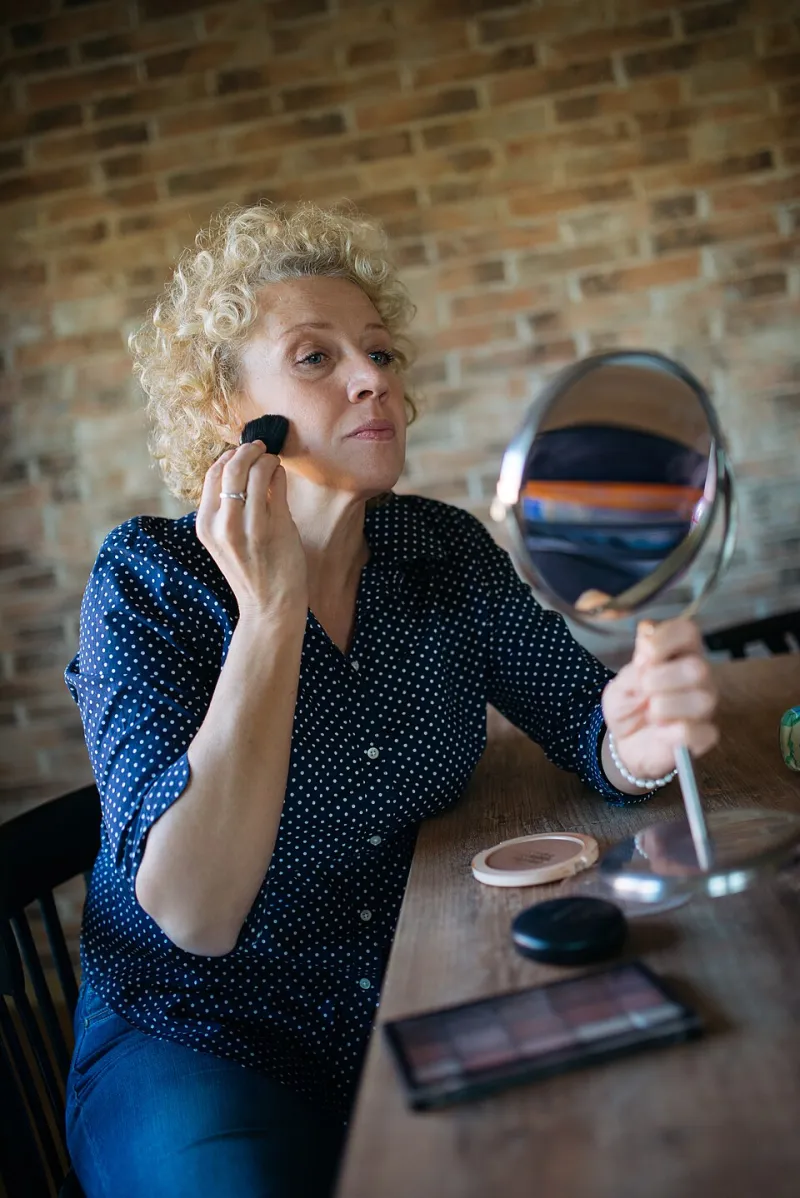
Photo: Michael Gäbler, CC BY 3.0, via Wikimedia Commons
Gel nails are the one beauty treatment I used to consider non-negotiable. A salon set costs £25–£35 near me, lasts two to three weeks, and makes me feel like a person whose diary is under control. But in November 2026, with Christmas creeping in and a wedding in the family, I wanted to know whether a high street kit could do the same job for less. I picked three affordable gel kits available in UK shops and gave each one a seven-day run: same routine, same sink of washing-up, same commute, same gym sessions. No salon.
The three kits
I am not naming brands here because the point is the category, not a pile-on. Kit A was a £12 own-brand starter set from a supermarket, with a small lamp and four colours. Kit B was a £20 pharmacy own-brand kit with lamp, base, top and one colour. Kit C was a £25 kit from a familiar high street beauty retailer, with lamp, prep wipes, base, top and two colours. All came with instructions. None came with the patience of a salon technician.
How I tested
Each kit got seven days on my natural nails. I did normal life: typing, washing up without gloves, two gym sessions, a rainy walk to the bus stop and the usual commute. I judged application time, curing, tip wear, chipping, removal and how my nails felt afterwards. I used the same prep steps for each: buff, wipe, thin coats, cap the free edge. I did not use a separate salon-strength lamp or extra products, because that would defeat the point of a kit.
Application and curing
Kit A took 38 minutes from prep to top coat. The lamp was tiny, so I had to cure my thumbs separately and hold my hand still in an awkward claw. The colour was streaky until the third thin coat. Kit B took 45 minutes and felt more solid. The lamp was still small, but the base and top coat were easier to control. Kit C took 55 minutes, partly because it had more prep steps and partly because I was being careful. It gave the most even finish.
The lesson: thin coats are everything. If you flood the cuticle, the gel will lift. If you cure your thumb with the rest of your fingers, it will not cure properly. Every kit said this; I still nearly ignored it.
The seven-day diary
Day one was fine for all three. Day two brought the first difference: Kit A had a tiny chip on the edge of my index finger. By day four, two more nails had worn at the tips. Kit B made it to day five before a chip appeared on my middle finger. Kit C lasted the full seven days with only a small chip on the corner of my thumb, which I probably caused by opening a parcel with my teeth. Wash-up duty was the real test. Hot water and a sink full of pans softened the edges of Kit A quickly. Kit C held on.
Typing was not a problem for any of them, but long nails and a keyboard are a bad combination; I filed mine short. The gym was more revealing. Rowing and weights put pressure on the tips, and Kit A lifted at the sides after the first session. Kit C survived but felt less secure by day six. The commute and rainy walks did nothing dramatic, though I noticed that cold hands made the gel feel harder and more brittle.
Removal, and the damage question
This is where cheap kits can go wrong. Kit A took 20 minutes of soaking and still left patches. I buffed too hard, which is my fault, and my nails felt rough for two days. Kit B took 15 minutes and came away more cleanly. Kit C took 25 minutes but left the least damage. The golden rule: never peel. Peeling takes a layer of nail with it. If you are impatient, a gel kit is not for you.
I also learned to ventilate the room. The smell is not a spa aroma. If you have sensitive skin or allergies, patch-test and read the ingredients.
So is any kit worth £25?
If you want a salon-quality set that lasts three weeks, no. None of these replaced a professional manicure for durability. If you want a neat set for a wedding, a holiday or a week when you want to feel pulled together, Kit C was the closest to a yes. It cost £25, took under an hour, and survived a week of real life. Kit B was a reasonable middle option. Kit A was fine for a one-off, but the chipping and rough removal mean I would not rely on it.
The maths is not as simple as £25 versus £30. A salon set every three weeks costs around £520 a year, plus appointments and travel. A kit costs less per application, but it costs time, patience and a steady hand. If you only use it once, it is not a bargain. If you use it monthly and follow the removal rules, it can be. The real question is whether you will actually do it at 9pm on a Sunday with a sink full of dishes. I did. Once. The second time, I nearly booked a salon.
My verdict: buy a kit for a specific event, not because you think it will replace your nail technician. And if you do buy one, spend a little more on the kit with better base and top coats. The lamp matters, but the formula matters more. The £25 question has no universal answer. It depends on how much you value an hour of your own time and how much you hate sitting in a salon chair. For me, the kit earned its place in the cupboard, but the salon still has its number saved.